Address
304 North Cardinal St.
Dorchester Center, MA 02124
Work Hours
Monday to Friday: 7AM - 7PM
Weekend: 10AM - 5PM
Address
304 North Cardinal St.
Dorchester Center, MA 02124
Work Hours
Monday to Friday: 7AM - 7PM
Weekend: 10AM - 5PM

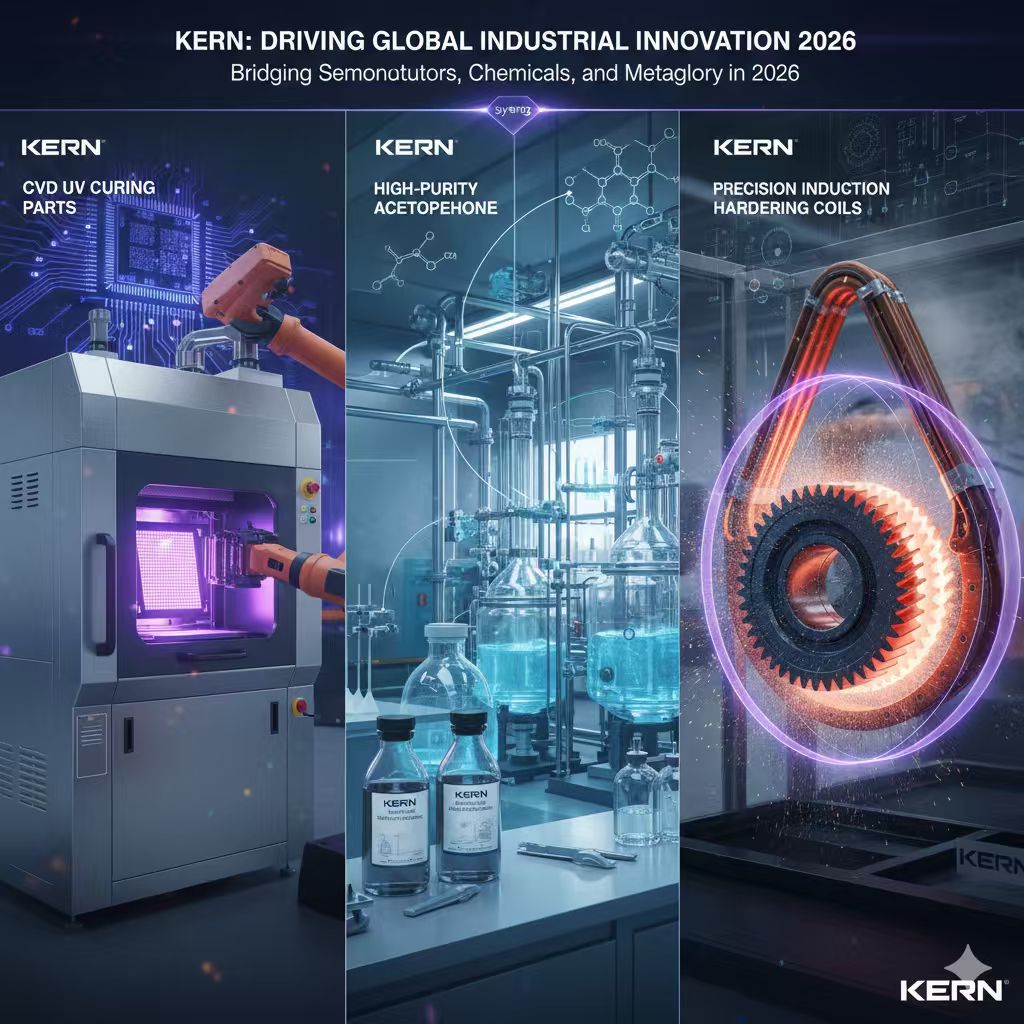
Optimizing Metal Fatigue Resistance: Custom Induction Hardening Coils for Precision Manufacturing
Word Count: ~600 words
In heavy-duty industries such as automotive manufacturing, aerospace engineering, and heavy machinery, the durability of metal components is paramount. Gears, camshafts, drive shafts, and bearings are subjected to immense continuous stress. To ensure these components do not fail prematurely due to wear or metal fatigue, manufacturers rely on localized heat treatment processes. At the forefront of this technology is Induction Hardening, a process driven by the quality, design, and precision of the Induction Hardening Coils.
Technical Insights: The Science of Induction Hardening
Induction hardening is a non-contact heating process that relies on electromagnetic induction to rapidly heat the surface of a conductive metal part, which is then immediately quenched (cooled rapidly). This process alters the microstructure of the metal’s surface layer, transforming it into hard martensite while leaving the core of the component relatively soft and ductile. This dual-property structure is ideal: the hardened surface resists wear and abrasion, while the ductile core absorbs impact and prevents the part from snapping under heavy loads.
The “heart” of this entire operation is the induction coil (often called the inductor). When an alternating current (AC) is passed through the copper coil, it generates a highly concentrated, alternating magnetic field. When the metal workpiece is placed inside or near this field, eddy currents are induced within the metal, generating rapid, localized heat through electrical resistance.
Solutions: Why Coil Design is Critical
A common misconception in metallurgy is that induction hardening is purely dependent on the power supply. In reality, the efficiency and accuracy of the heat treatment are almost entirely dictated by the geometry and quality of the Induction Hardening Coil.
At KERN, we specialize in engineering and manufacturing high-conductivity, custom-designed induction coils tailored to specific component geometries. If a coil is poorly designed, it will result in uneven heating, leading to soft spots, structural warping, or even cracking during the quenching phase.
Our solutions address complex manufacturing challenges through:
Industry Trends and Product Applications
With the rapid growth of the Electric Vehicle (EV) sector, the demand for ultra-durable, lightweight drivetrain components has skyrocketed. EV motors operate at significantly higher RPMs than traditional internal combustion engines, requiring gears and shafts with flawless surface hardening. Furthermore, the rise of automated robotics demands joints and bearings that can operate for millions of cycles without degradation.
Our induction hardening coils are actively deployed in these cutting-edge production lines, providing automotive and robotics manufacturers with the precision tools they need to meet modern engineering standards. KERN is dedicated to providing robust thermal processing solutions that enhance product longevity, maximize production throughput, and reduce energy consumption on the factory floor.